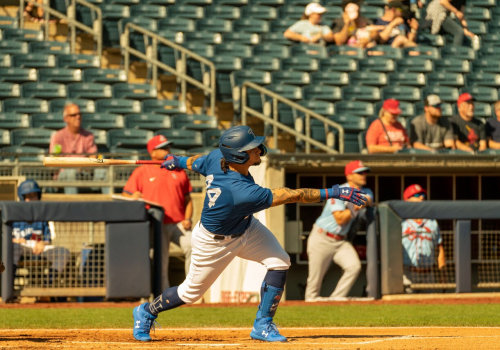
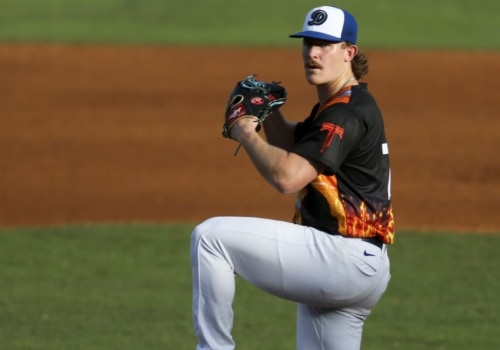
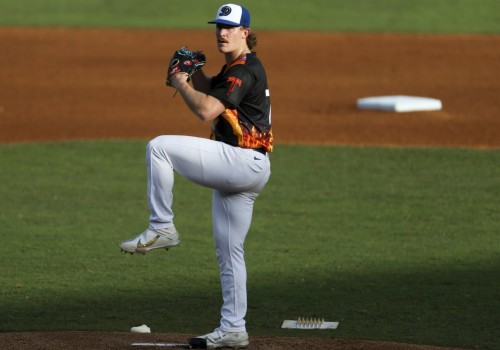
A Drillers card collection can tell the story of a season you followed, a player you watched in Tulsa, or a favorite afternoon at the ballpark. It does not need to begin with an expensive box or a search for the rarest autograph. A short want list, a way to identify each card, and a clear spending limit give the collection a useful direction.
Start by deciding what makes a card belong in your collection. A card showing a Tulsa uniform and a major-league card of a former Driller serve different purposes. Both can fit, provided you know which story you are trying to tell.
Choose a Tulsa connection you can explain
There are three manageable ways to begin:
- One season: collect a team-issued set or a small selection of cards connected to a season you remember.
- One player: follow a favorite player's career, recording the Tulsa connection alongside each card.
- Drillers alumni: build a selection of players who spent time with Tulsa, even when their cards show another club.
The Drillers' official all-time roster is a useful starting point for the alumni approach. It lists Nolan Arenado in 2012 and Cody Bellinger in 2016, for example. Those entries establish a Tulsa connection; they do not establish that either player appears in a particular card product.
Keep those two checks separate. Use team records to verify the baseball history, then use the card manufacturer's checklist or the seller's exact item description to identify a card. For recent arrivals, check current team records as well as the historical roster.
Look for known contents before buying random packs
For a collection centered on Tulsa uniforms, compare the contents of team-issued sets. Check the season, photographs, description, and any supplied contents list. A team set is not automatically a complete record of everyone who appeared for the club that year.
If you want one particular player or card, look for a known single. Ask for clear front-and-back images when a listing does not show enough detail. Confirm that the seller will send the pictured card, or understand how a multi-copy listing describes the condition of the copy you will receive.
For an older team set, establish whether it is complete and whether any cards are missing, damaged, or substituted. Write down the cards you already own before buying another lot. That makes it easier to distinguish a useful addition from a bundle of duplicates.
Match the exact card, not just the player's name
A useful inventory entry includes the year, manufacturer, product or set, player, card number, and any parallel or variation. Add a note explaining the Tulsa connection and where the card is stored.
The manufacturer's checklist helps resolve similar-looking names and versions. For example, the official 2026 Bowman Baseball checklist separates base cards, Paper Prospects, and Chrome Prospects. Its prospect sections use different prefixes, including BP and BCP. Copy the complete identifier rather than shortening it to a player's name and "Bowman."
Use the checklist for the exact year and product under consideration. A player's presence in one release says nothing about another release. A listing's "rookie," "prospect," or "rare" wording also deserves a closer look: match the pictured card to the appropriate checklist and any manufacturer explanation before deciding what it is.
Treat random packs as a separate collecting choice
Opening packs can be part of the hobby when the surprise itself is something you enjoy. It is a different purchase from ordering a named card. A baseball product, a Dodgers-labelled product, or a pack advertised with a notable player does not by itself promise a card with a Tulsa connection.
For online options, Rip.fan's baseball pack directory provides a starting point for exploring baseball pack-opening formats. Before choosing a seller, establish whether you are buying a manufacturer-sealed pack, a seller-assembled repack, or participation in a break, and read that seller's current contents, allocation, and shipping terms.
Disclosure: DrillersFans and Rip.fan share an owner.
If one specific player is the goal, buy an identified single instead of relying on random packs to supply it. A checklist describes a product's possible contents; it is not a promise about your particular pack. Keep a pack-opening allowance separate from the money reserved for cards on your want list.
Count the whole purchase
Set a total you are comfortable spending before browsing. Include shipping, applicable tax, and sleeves or holders, as well as the card's listed price. For an online opening service, also check any storage, redemption, withdrawal, or shipping charges before committing.
Compare the final cost of the cards you actually want. A larger bundle is not necessarily more useful if most of it falls outside your collection. Keep a record of what you paid for organization and budgeting; that amount is not a guarantee of what someone else would pay later.
Protect the cards and preserve the story
Handle cards carefully and inspect the front and back before putting them away. PSA's getting-started guide recommends a penny sleeve followed by a semi-rigid holder and explains the identifying details used in card research. Choose holders appropriate to the card's size and thickness so insertion does not require force.
A simple spreadsheet or notebook is enough to begin. Alongside the identifying details, record the purchase date, source, condition notes, and storage location. A sentence such as "chosen to remember the season I attended with my family" can be as useful to your collection as a technical identifier.
For your first session, choose one collection theme, make a five-card want list, and research each entry before buying. Leave room for the collection to grow at your pace: the next addition should have a clear place in the Tulsa story you are building.